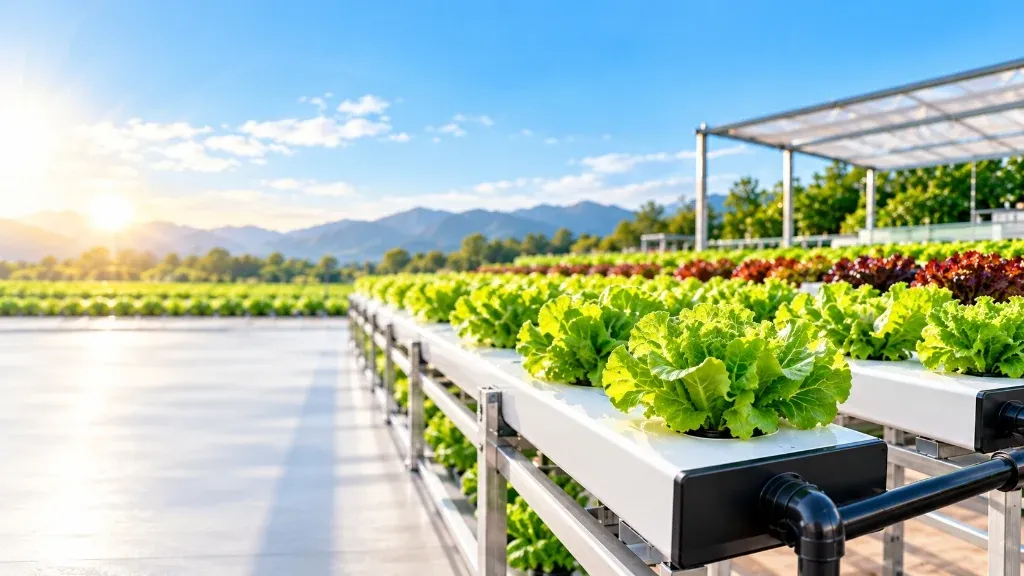
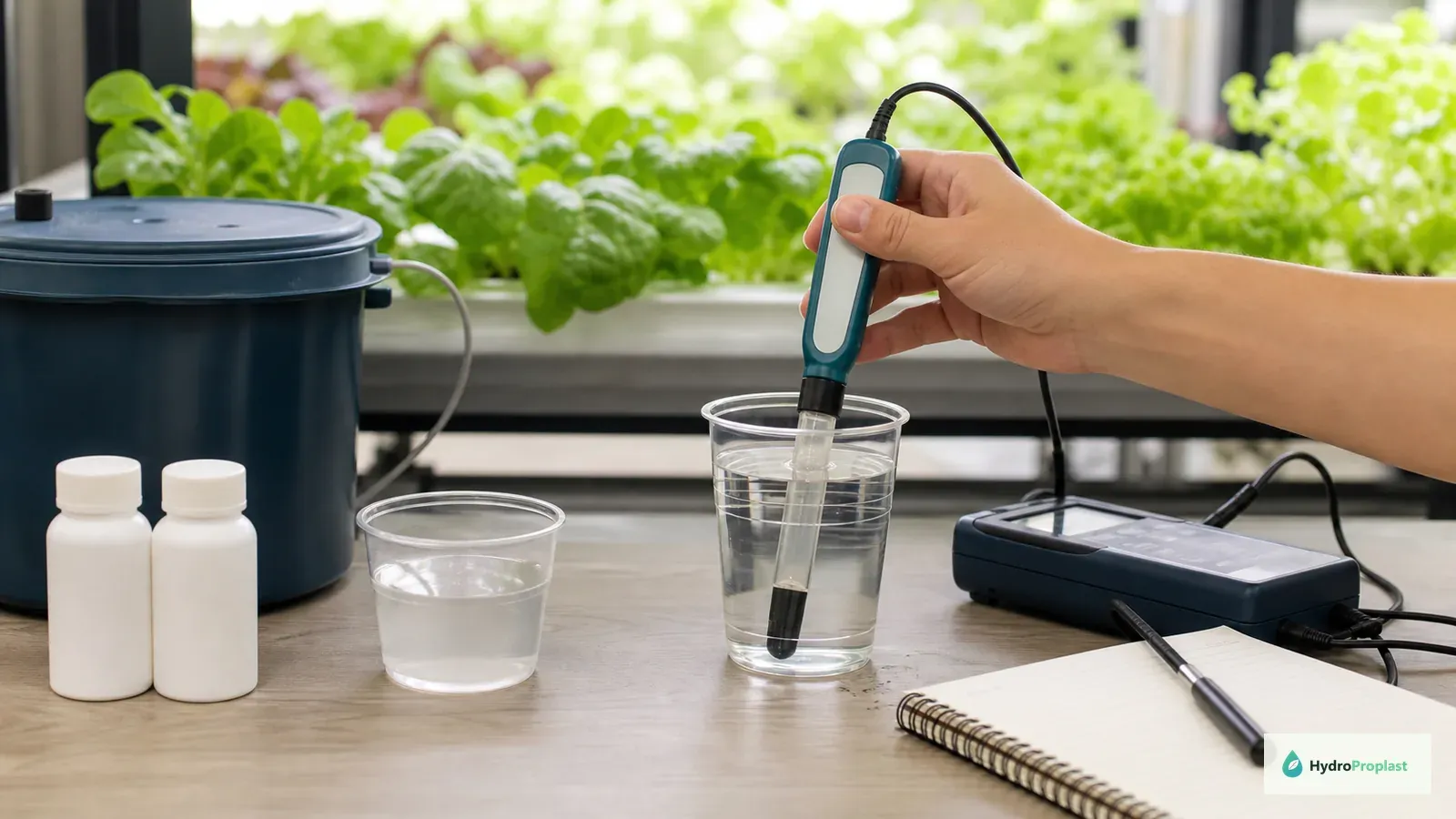
Hydroponic pH Explained: Ideal Range and How to Adjust It
Learn how to choose a crop-specific hydroponic pH range, calibrate a meter, adjust solution safely, and interpret drift without chasing one decimal.
Practical hydroponics guides
Clear, step-by-step guides to choosing your first system, balancing water and nutrients, and harvesting crisp greens year-round.
Explore by topic
How to choose, size, and maintain LED grow lights, air and water pumps, grow media, net pots, reservoirs, and essential indoor growing supplies.
Foundations, startup costs, seed germination, transplanting, and practical first steps for beginning soilless and indoor hydroponic growers.
Plain-English comparisons and setup guides for deep water culture (DWC), Kratky, NFT, ebb and flow, drip, wick, vertical, and aeroponic systems.
Practical guides to hydroponic nutrients, pH and EC ranges, water temperature, dissolved oxygen, reservoir top-ups, and water quality management.
Diagnose and prevent common hydroponic problems including root rot, yellow leaves, nutrient burn, pH drift, algae, slow growth, pests, and power outages.
Crop-by-crop hydroponic growing guides for leafy greens, basil, herbs, strawberries, tomatoes, cucumbers, peppers, spinach, kale, and microgreens.
Start here
Follow these five guides in order. You will learn the basics, compare options, choose a simple system, start seeds, and understand your water.
Reader favourites
Learn how to choose a crop-specific hydroponic pH range, calibrate a meter, adjust solution safely, and interpret drift without chasing one decimal.
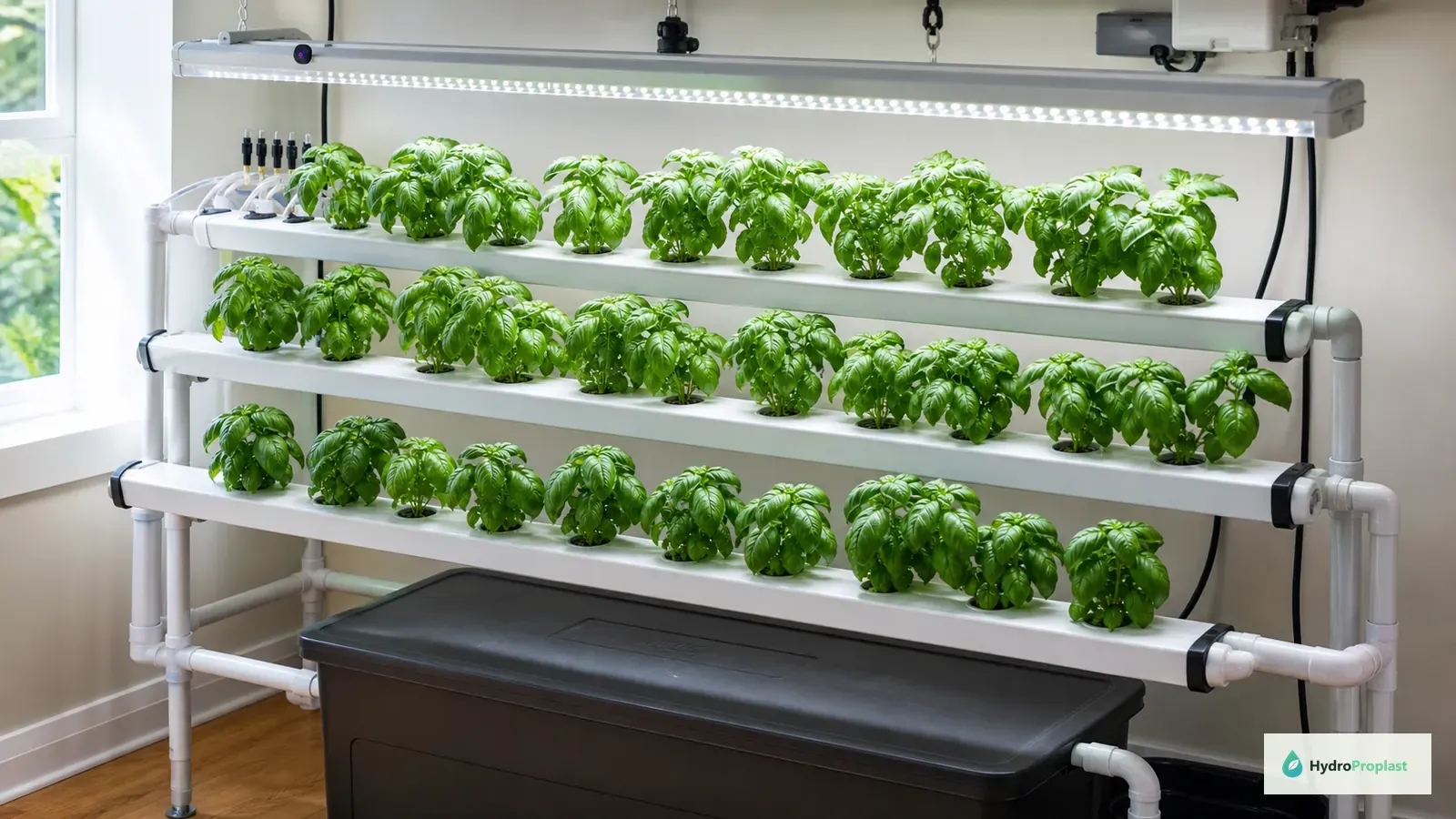
Basil is the star hydroponic herb — fast, fragrant, and high-value. Learn how to grow hydroponic basil from seed to harvest, including light, feeding, and pruning.
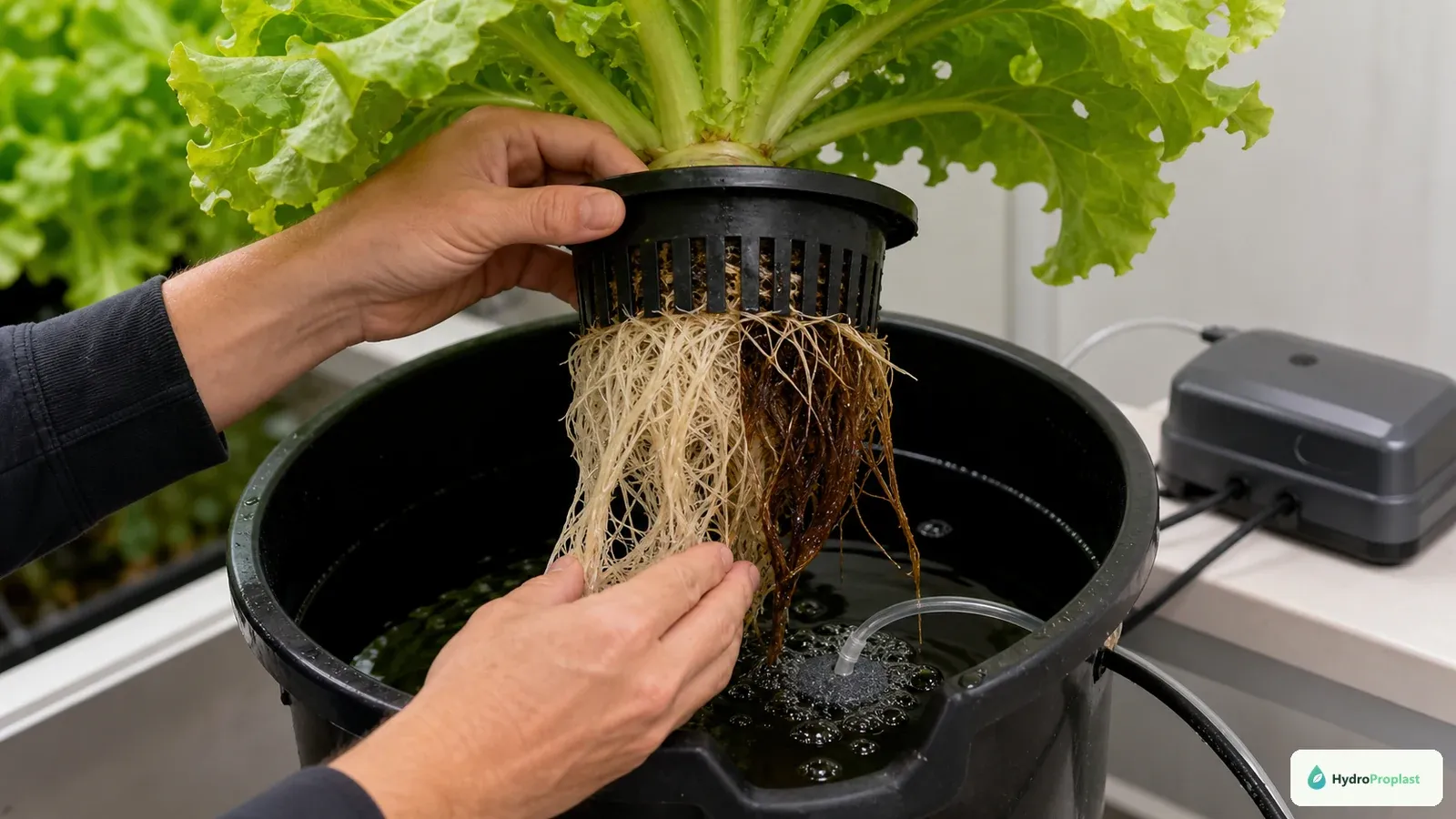
Spot the early signs of hydroponic root rot, distinguish stained roots from true decay, and protect your reservoir with dissolved oxygen, cool water, and clean equipment.
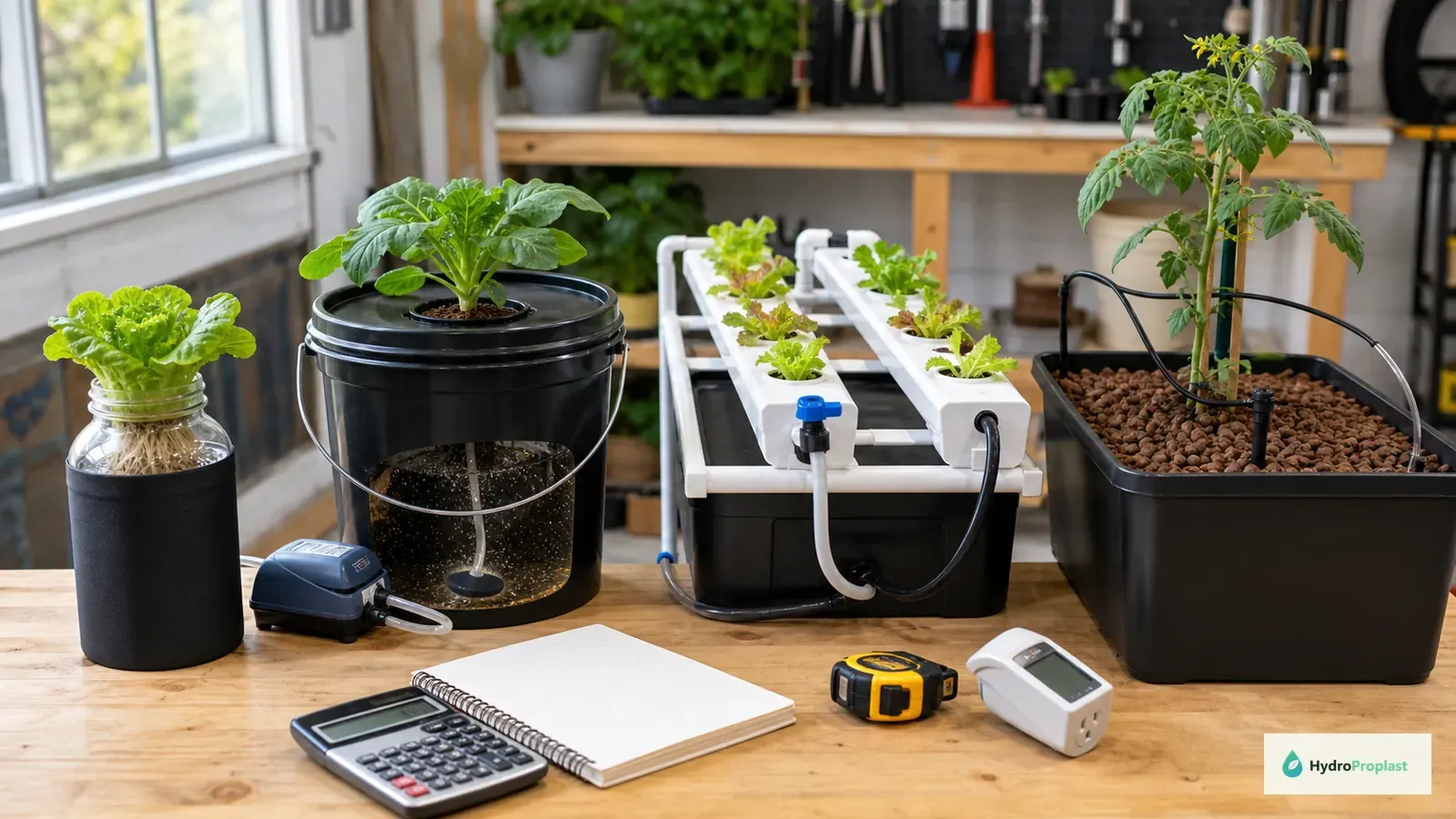
Build a realistic home hydroponics budget covering equipment, lighting, nutrients, meters, electricity, replacements, and crop-specific costs.
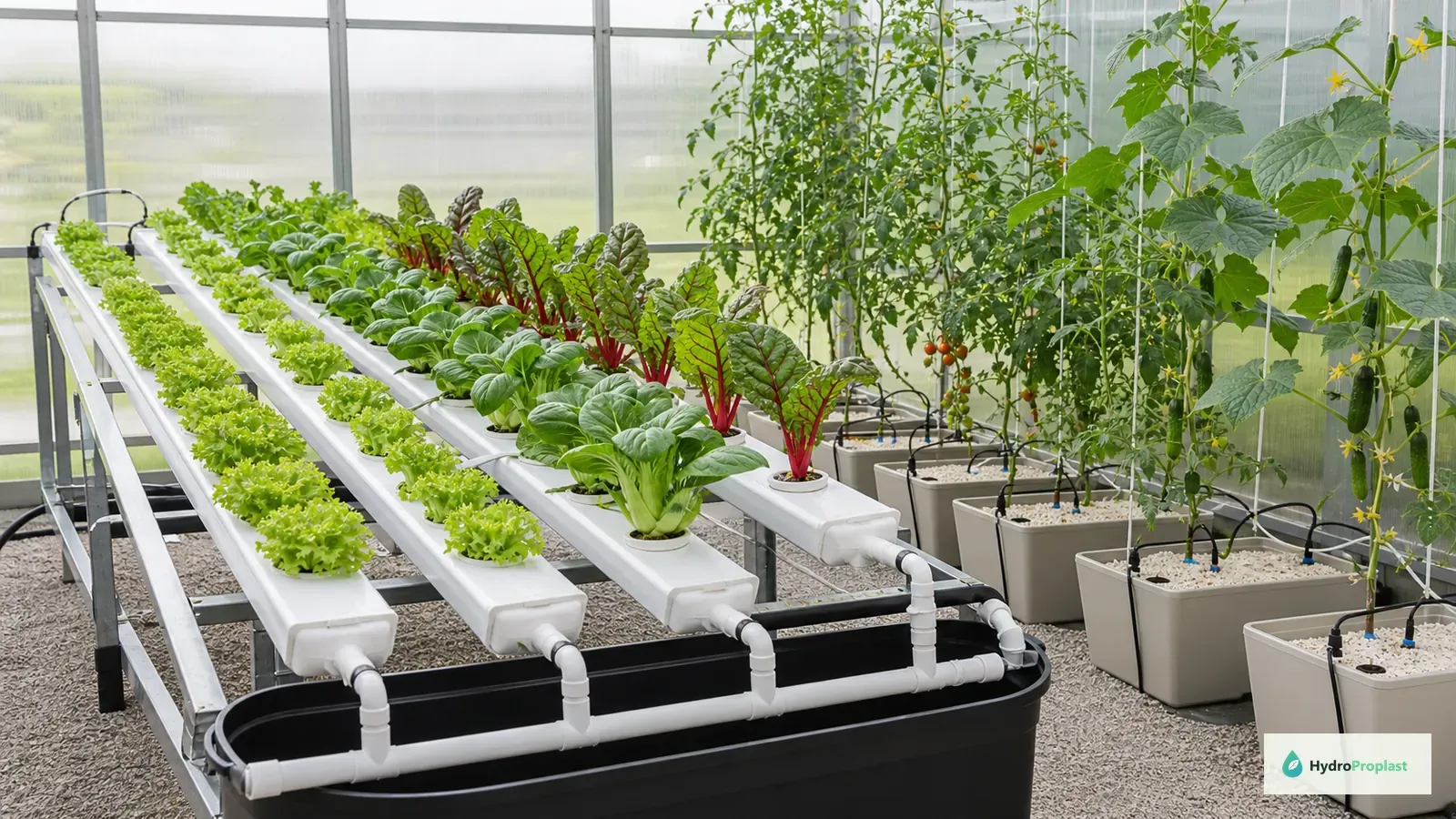
Not every crop suits a beginner hydroponic system. Here are the easiest, fastest, and most rewarding vegetables to grow hydroponically when you are starting out.
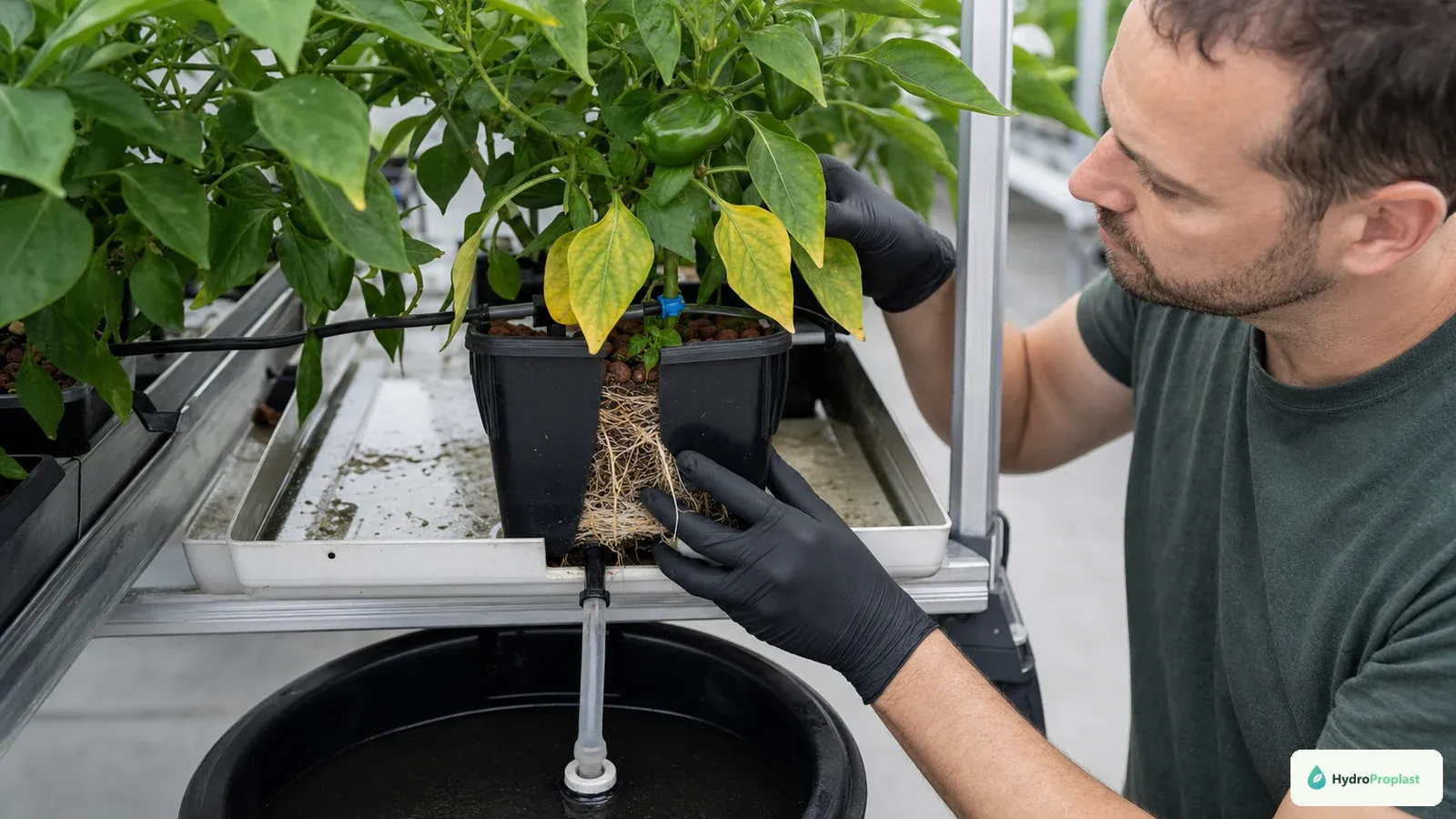
Diagnose yellow leaves in hydroponics step by step by checking leaf position, root health, pH, EC, lighting, water temperature, and true nutrient deficiencies.
Beginner gear
Understand what each part does before you buy it. Our equipment guides focus on fit, safety, and maintainability.
A straightforward first setup for learning how roots, water, and air work together.
MeasureSee what is happening in the reservoir before making an adjustment.
FeedA complete formula designed for hydroponic crops and your water source.
LightReliable indoor light sized for your crop and growing area.
MediaSupport seedlings while leaving enough space for healthy root growth.
OxygenKeep dissolved oxygen moving through an active deep-water system.
Latest guides
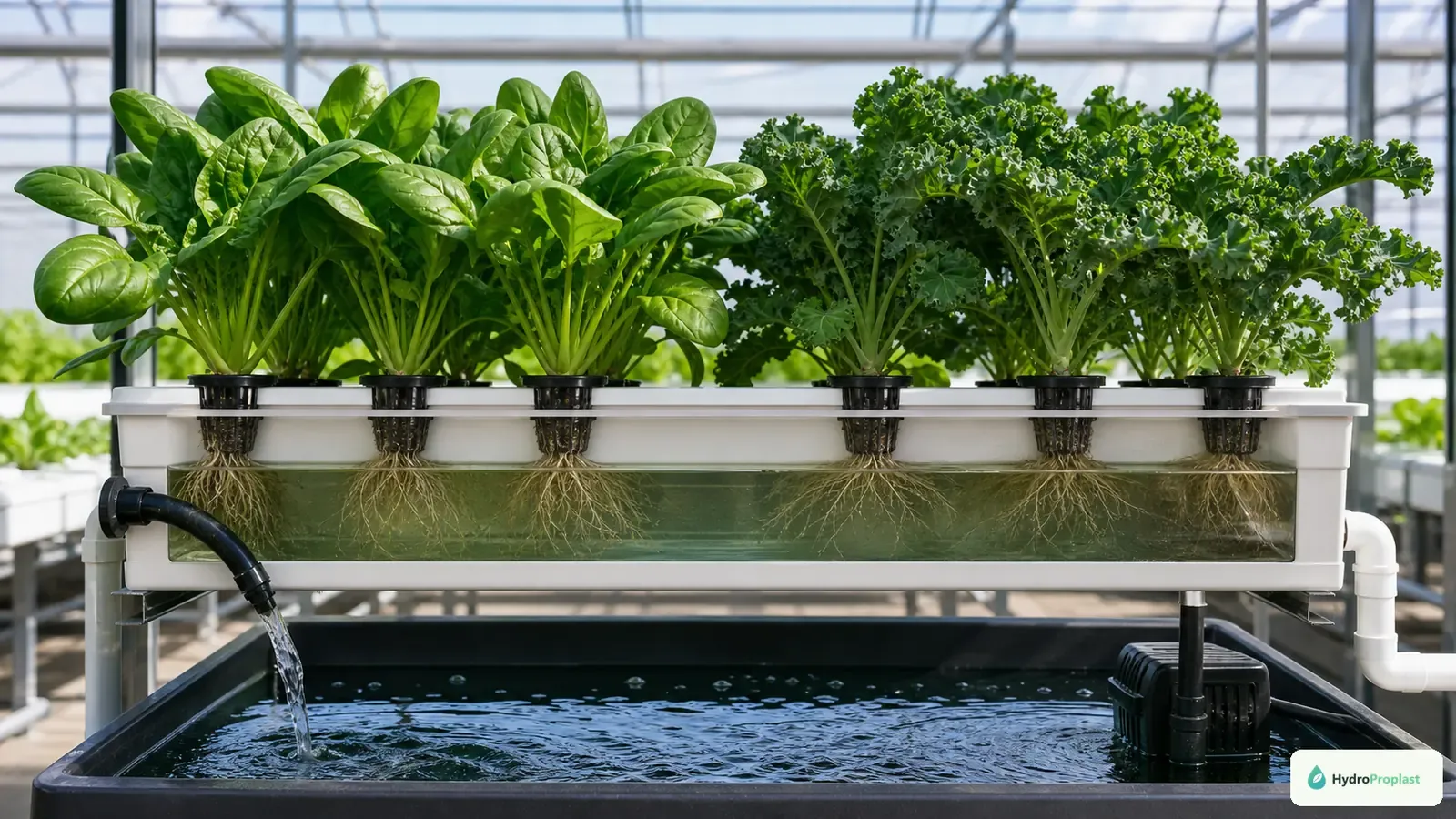
Grow crisp hydroponic bok choy (pak choi), tatsoi, and baby mustard greens in 28 to 35 days with ideal pH, EC, lighting, and bolt-prevention tips.
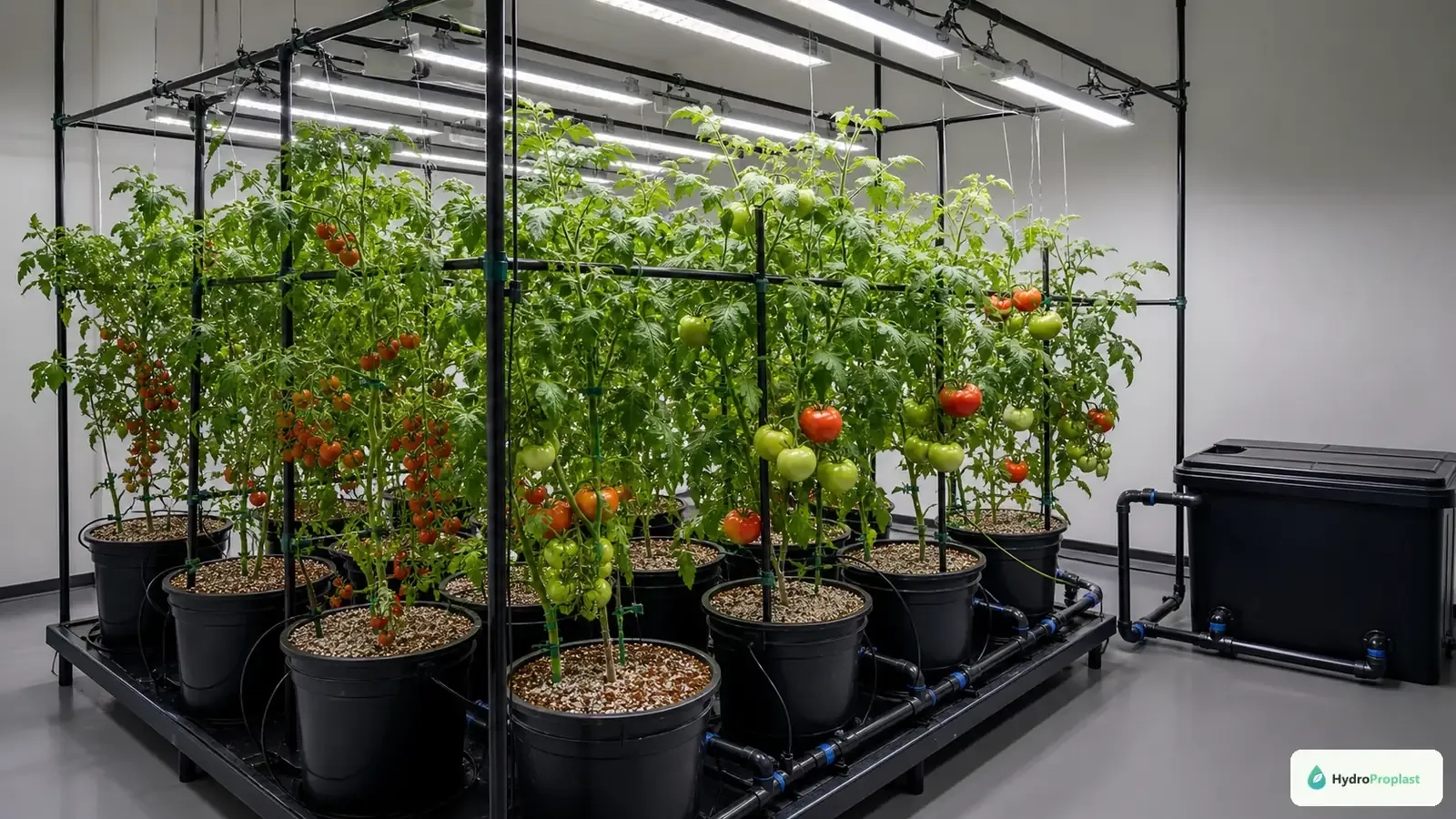
Prevent dark, sunken blossom end rot on indoor hydroponic tomatoes and peppers by stabilizing drip flow, EC, calcium uptake, root health, and humidity.
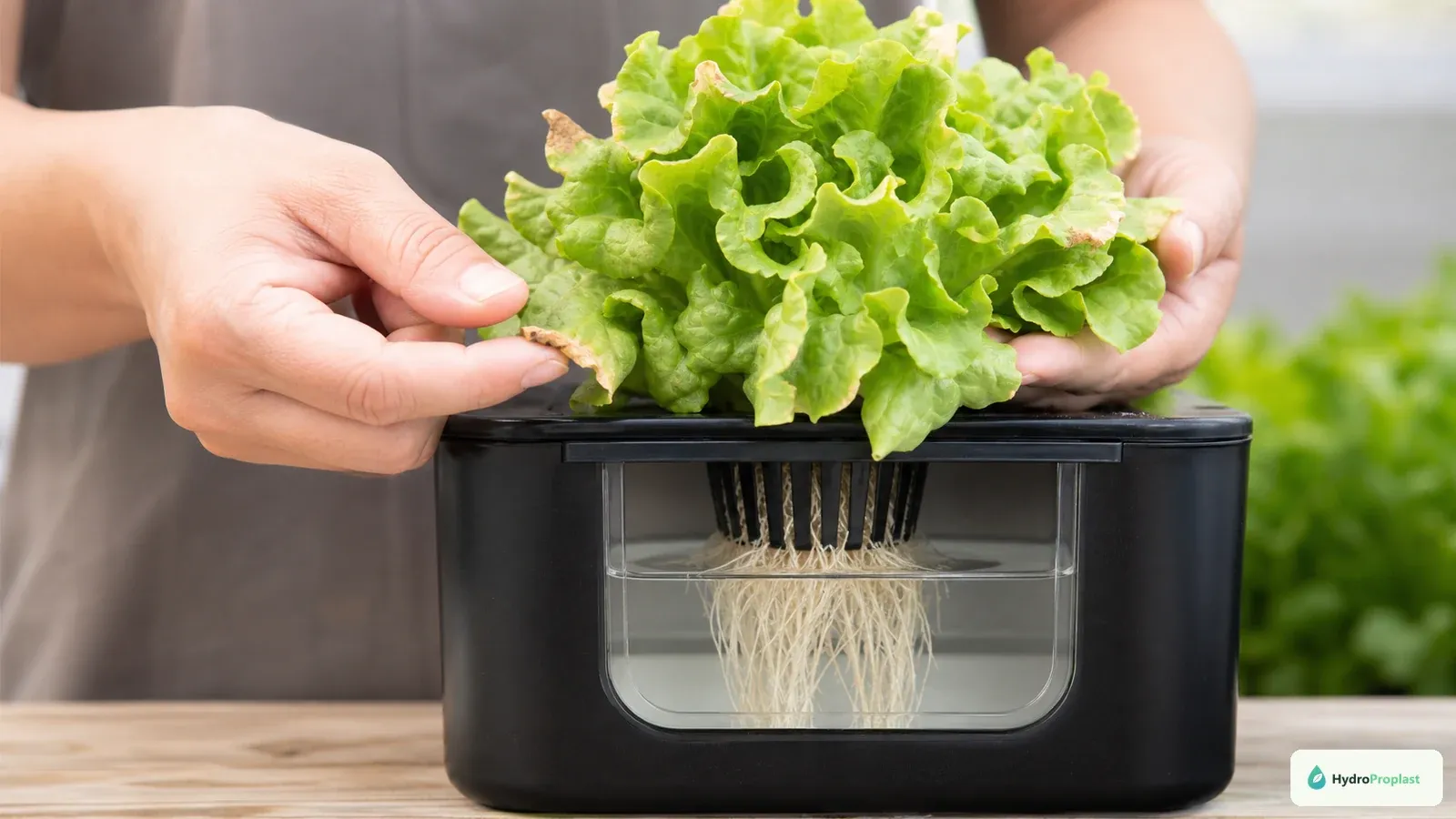
Stop inner leaf-edge browning (tipburn) and premature bolting in hydroponic lettuce by managing canopy airflow, calcium delivery, DLI, and root-zone temperature.
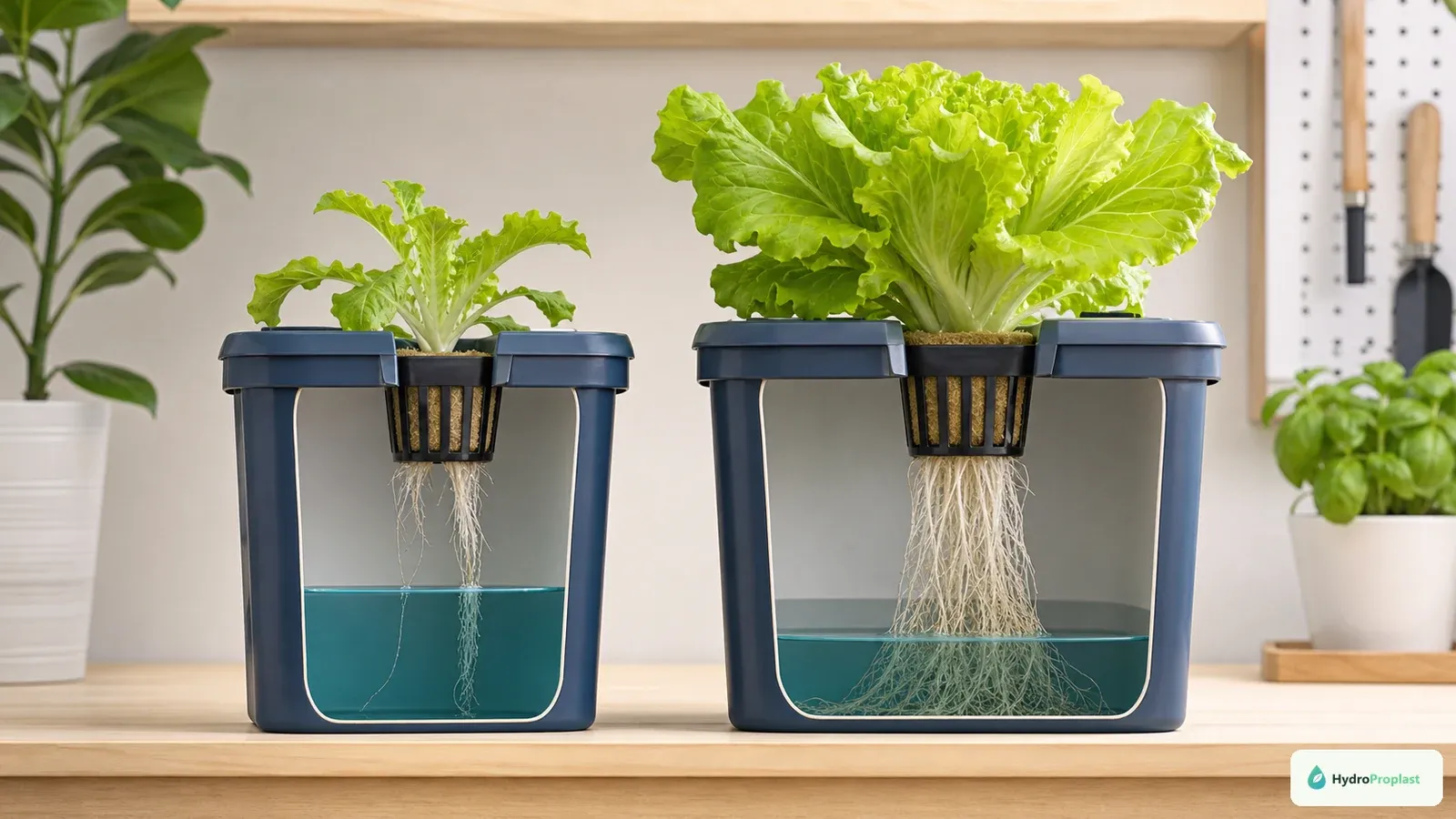
Build a passive Kratky hydroponic container with zero electricity. Learn how the self-regulating air gap works, how to size containers, and how to avoid drowning roots.
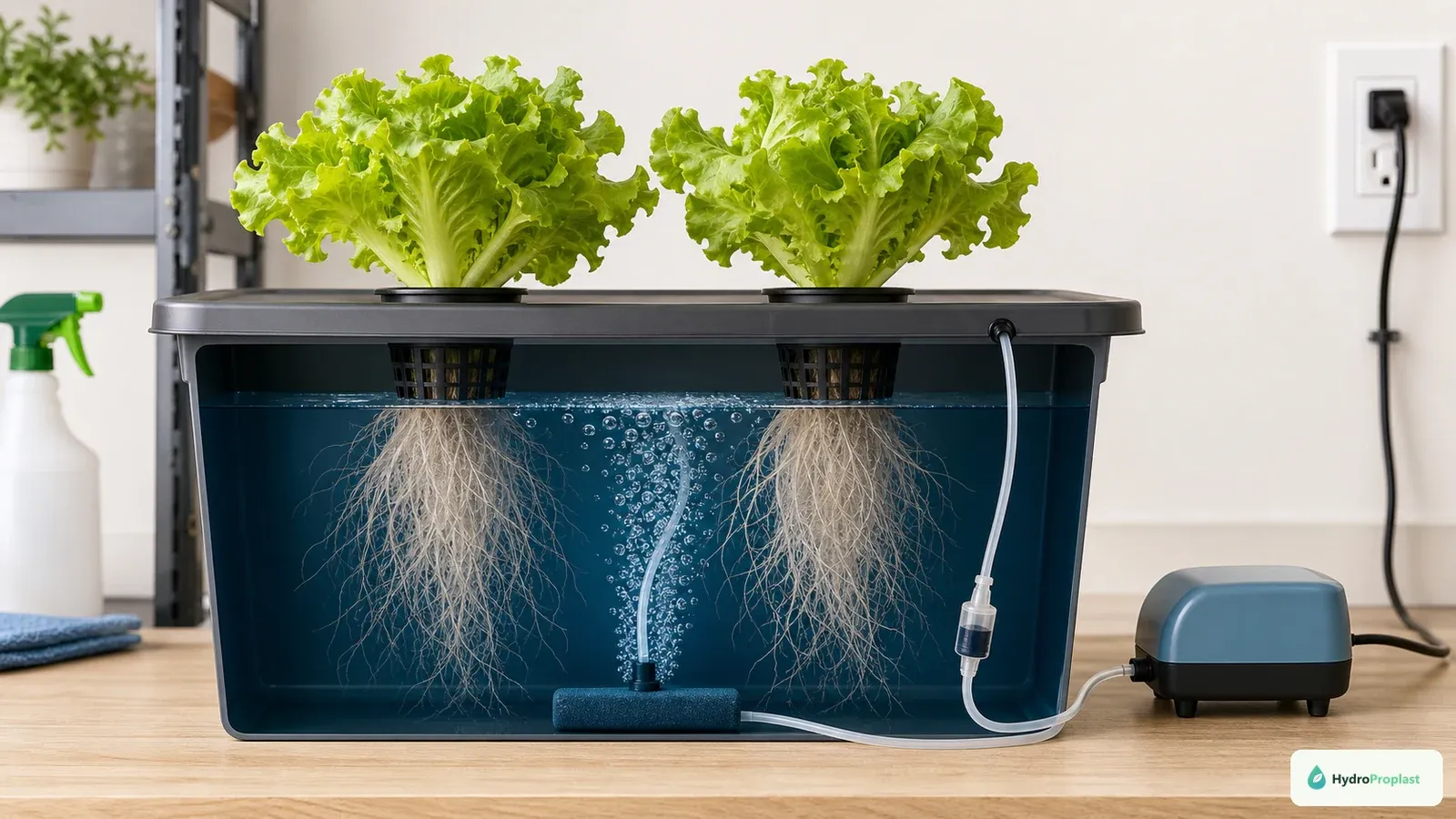
Learn how to build, aerate, and maintain a Deep Water Culture (DWC) bucket or tote system, set initial net pot water levels, and keep submerged roots healthy.
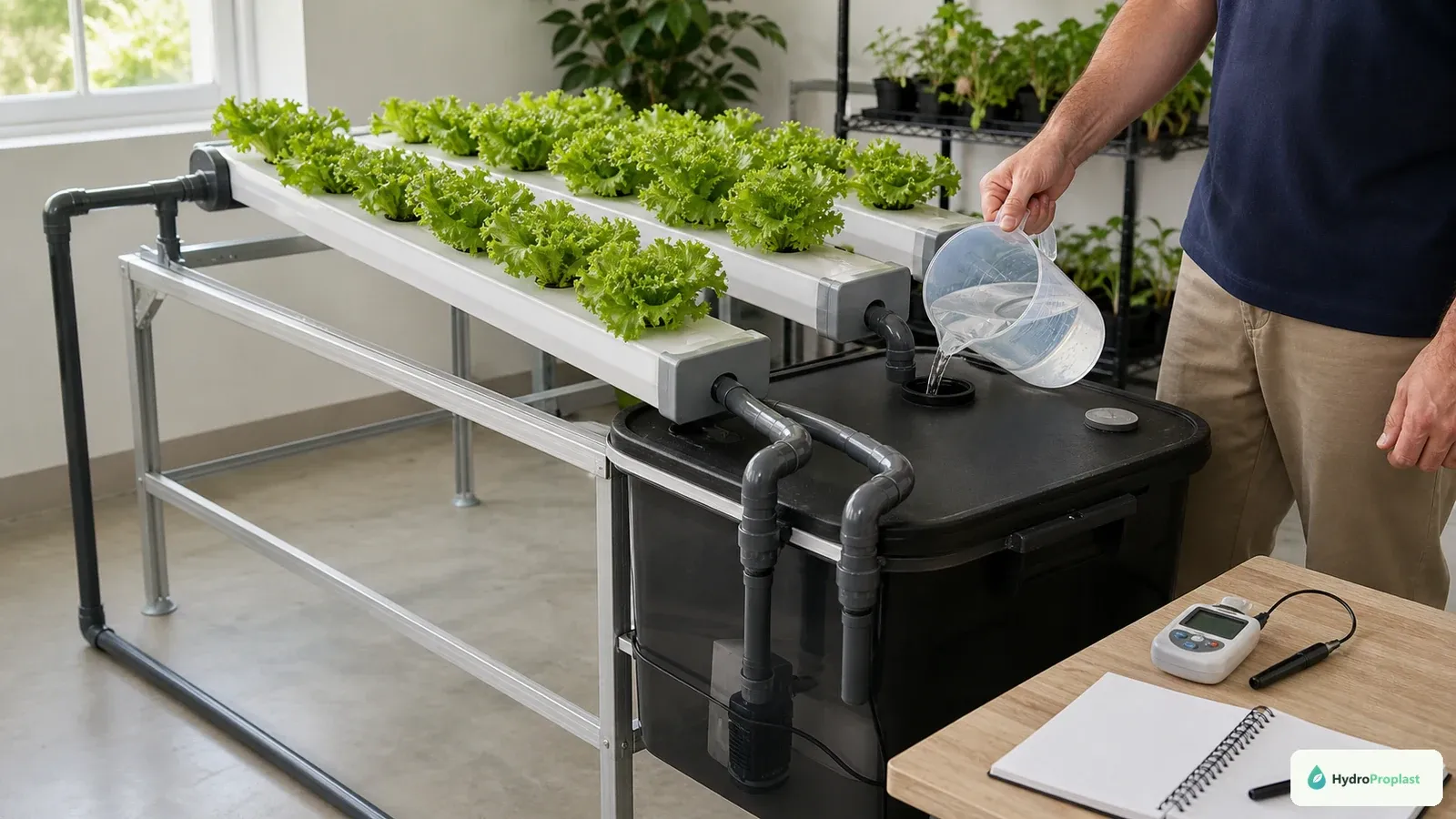
Decide whether a hydroponic reservoir needs water, nutrients, or replacement using water level, EC, pH, crop stage, source water, and solution history.
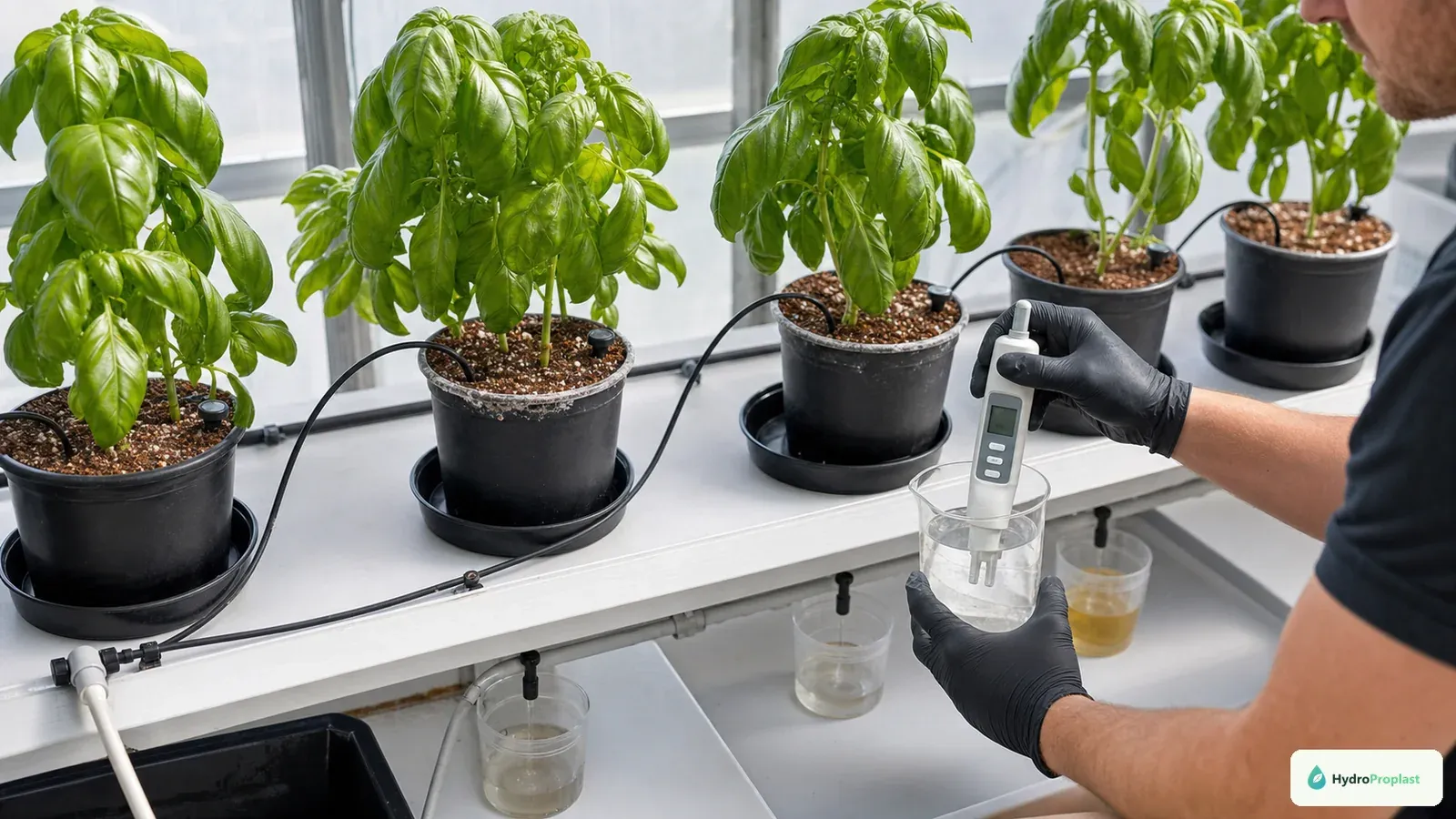
Learn why salts accumulate in hydroponic reservoirs and growing media, how to read EC and runoff trends, and when to rinse or replace solution.
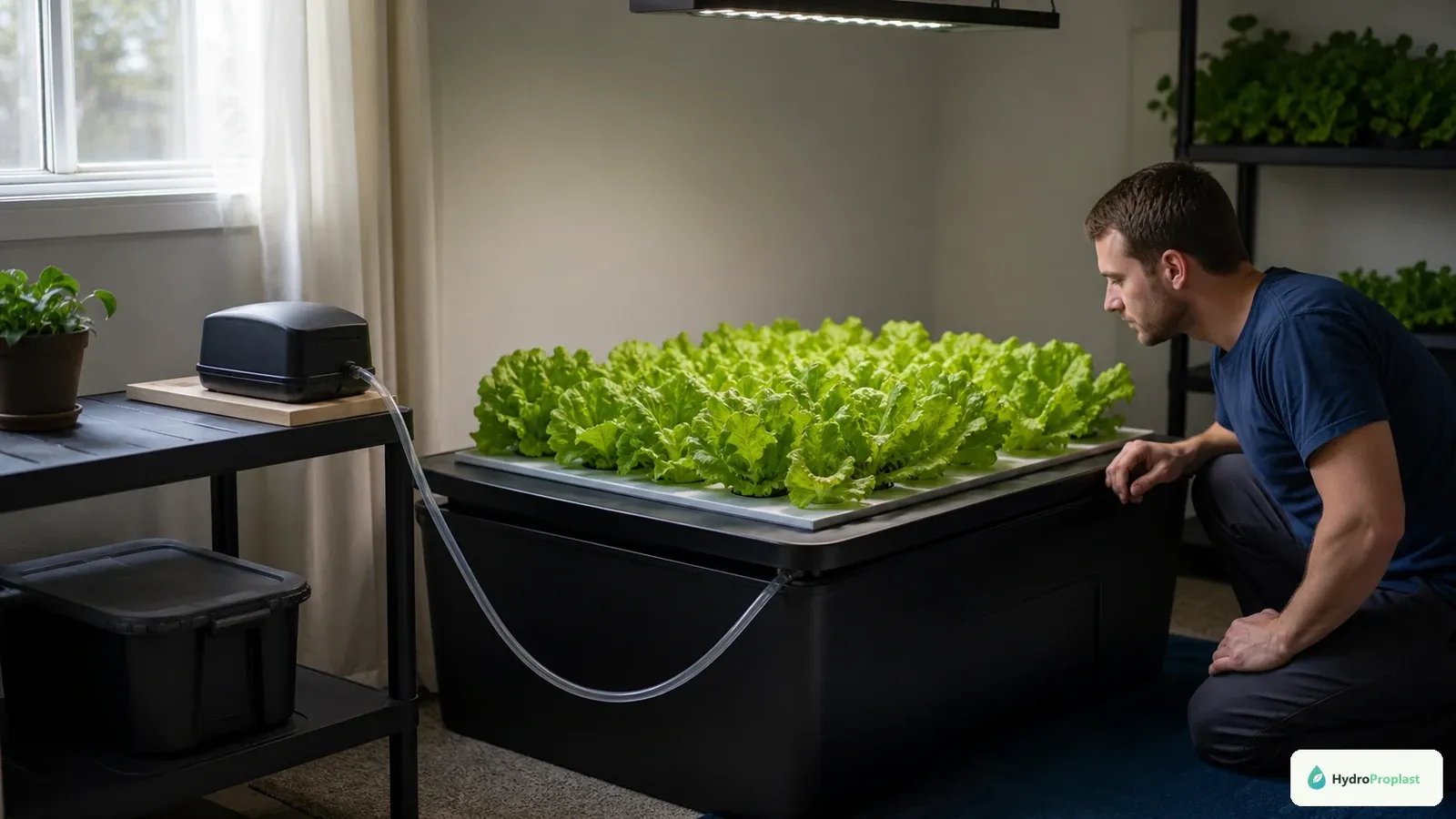
Protect hydroponic crops during a power outage with system-specific priorities, safe backup power, restart checks, and recovery guidance.
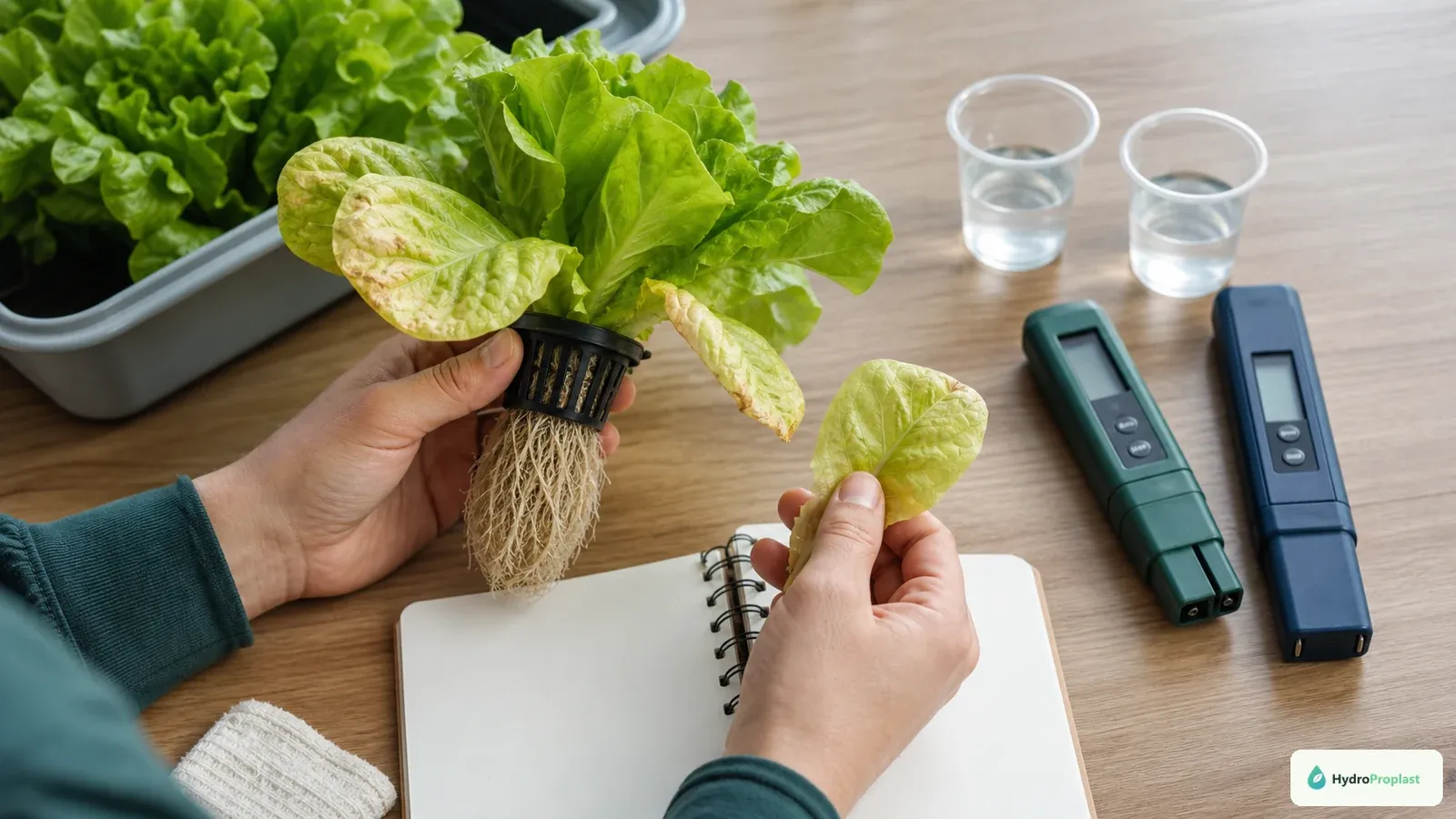
Learn how to diagnose hydroponic nutrient deficiencies using leaf patterns, roots, pH, EC, source water, mixing history, and delivery checks.
Follow new guides
Subscribe with your favourite RSS reader and receive every new HydroProplast guide.