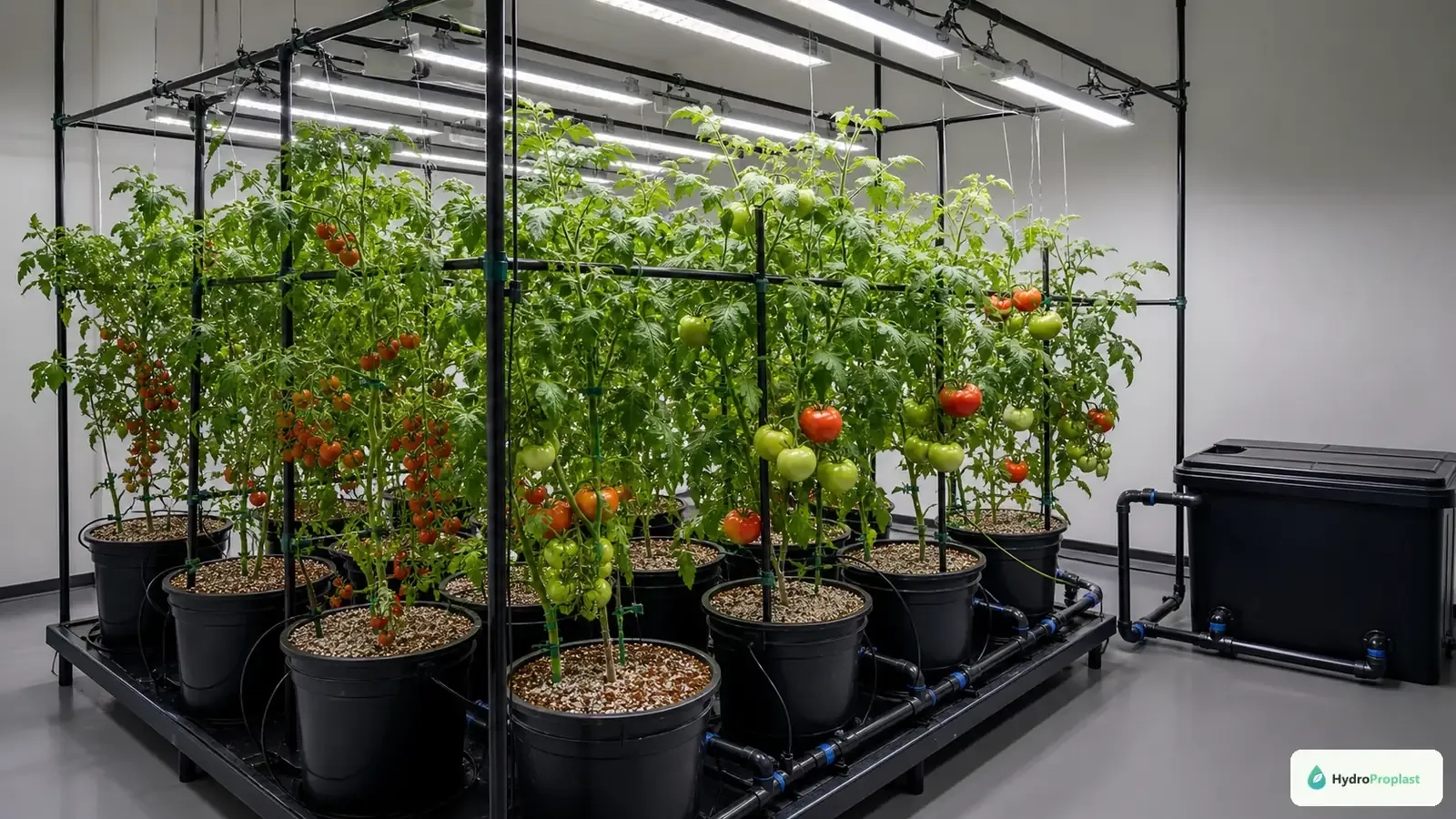
Blossom End Rot in Hydroponic Tomatoes and Peppers: Causes and Prevention
Prevent dark, sunken blossom end rot on indoor hydroponic tomatoes and peppers by stabilizing drip flow, EC, calcium uptake, root health, and humidity.
Topic · 9 guides
Diagnose and prevent common hydroponic problems including root rot, yellow leaves, nutrient burn, pH drift, algae, slow growth, pests, and power outages.
Prevent dark, sunken blossom end rot on indoor hydroponic tomatoes and peppers by stabilizing drip flow, EC, calcium uptake, root health, and humidity.
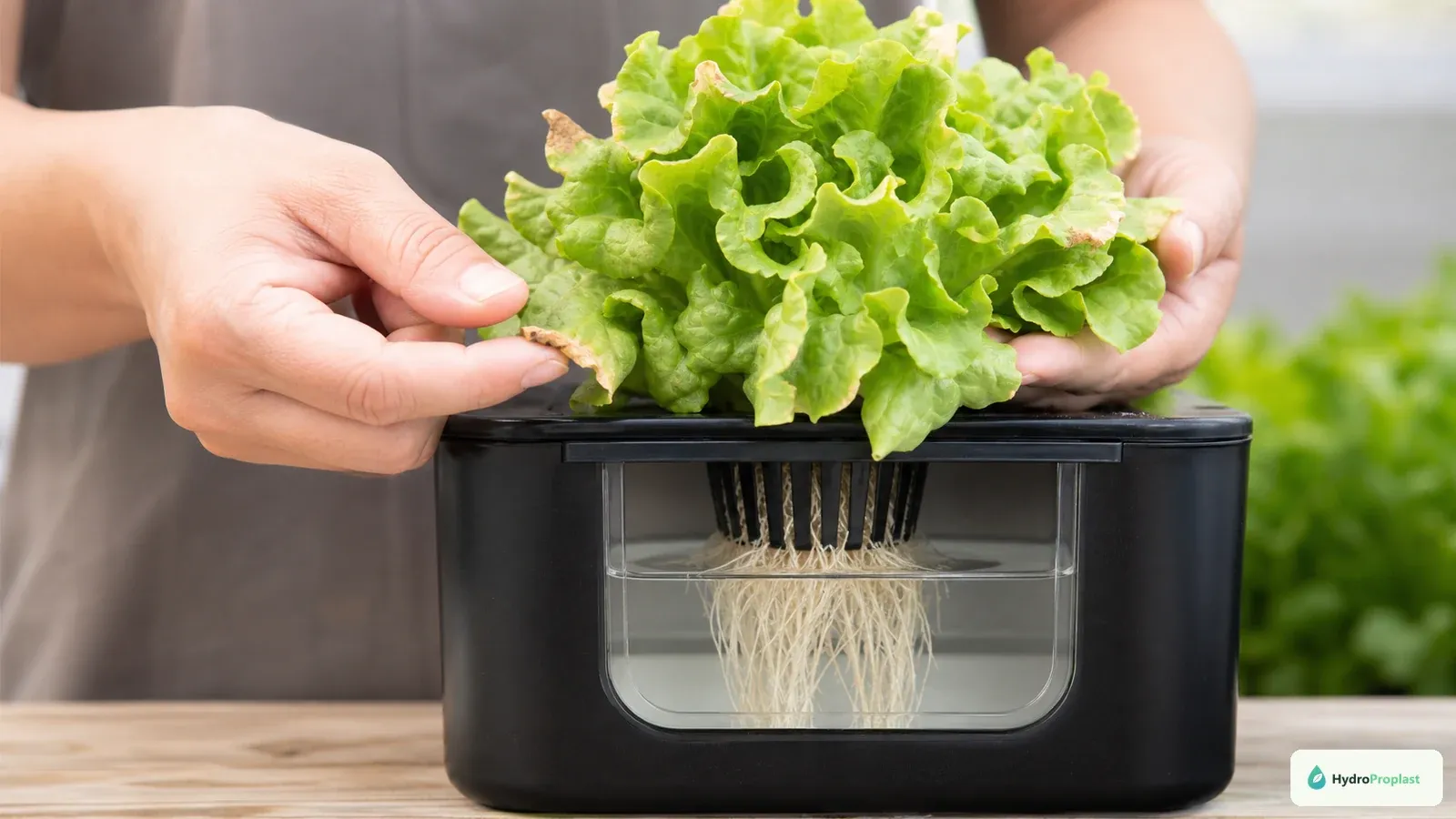
Stop inner leaf-edge browning (tipburn) and premature bolting in hydroponic lettuce by managing canopy airflow, calcium delivery, DLI, and root-zone temperature.
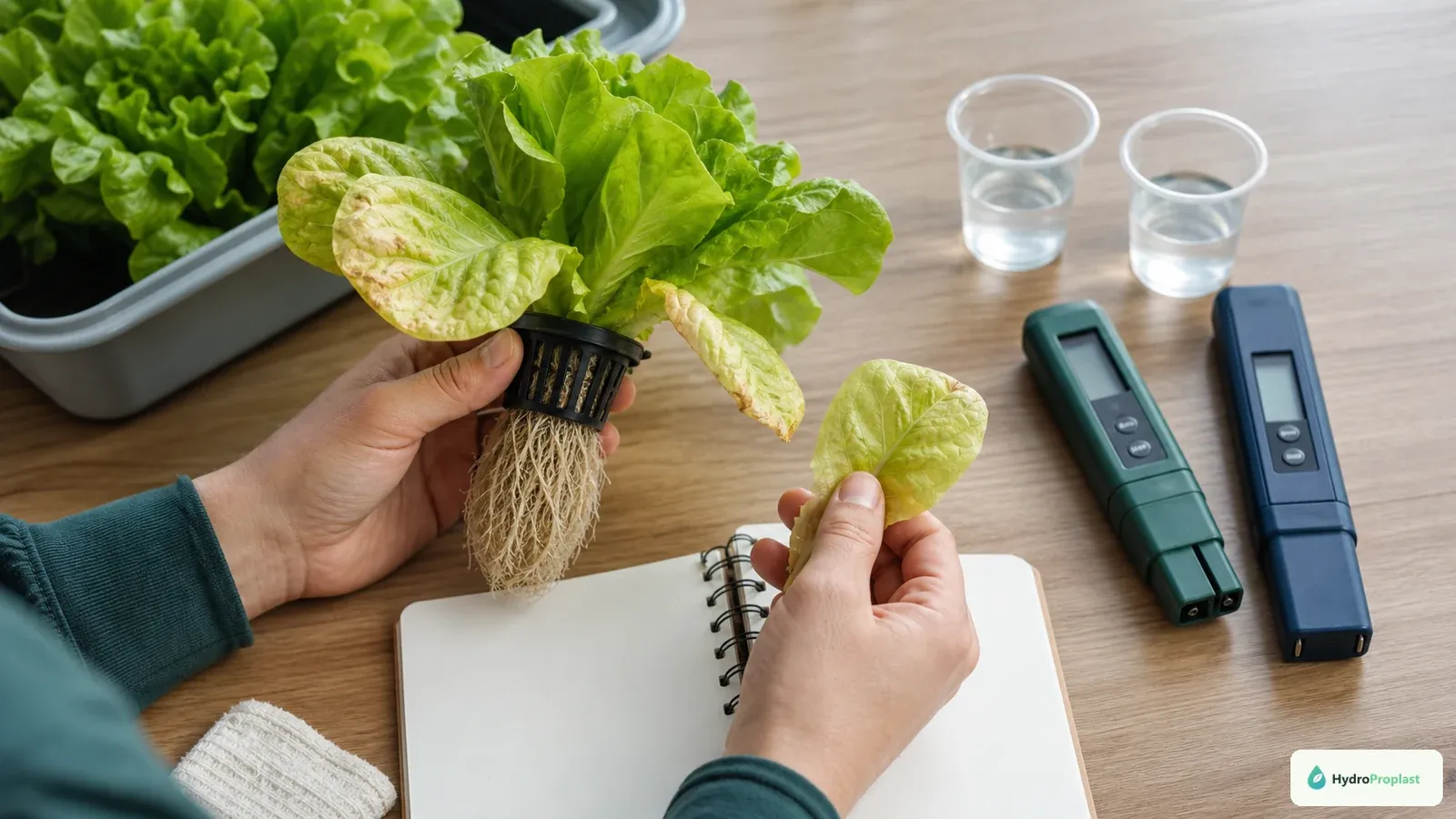
Learn how to diagnose hydroponic nutrient deficiencies using leaf patterns, roots, pH, EC, source water, mixing history, and delivery checks.
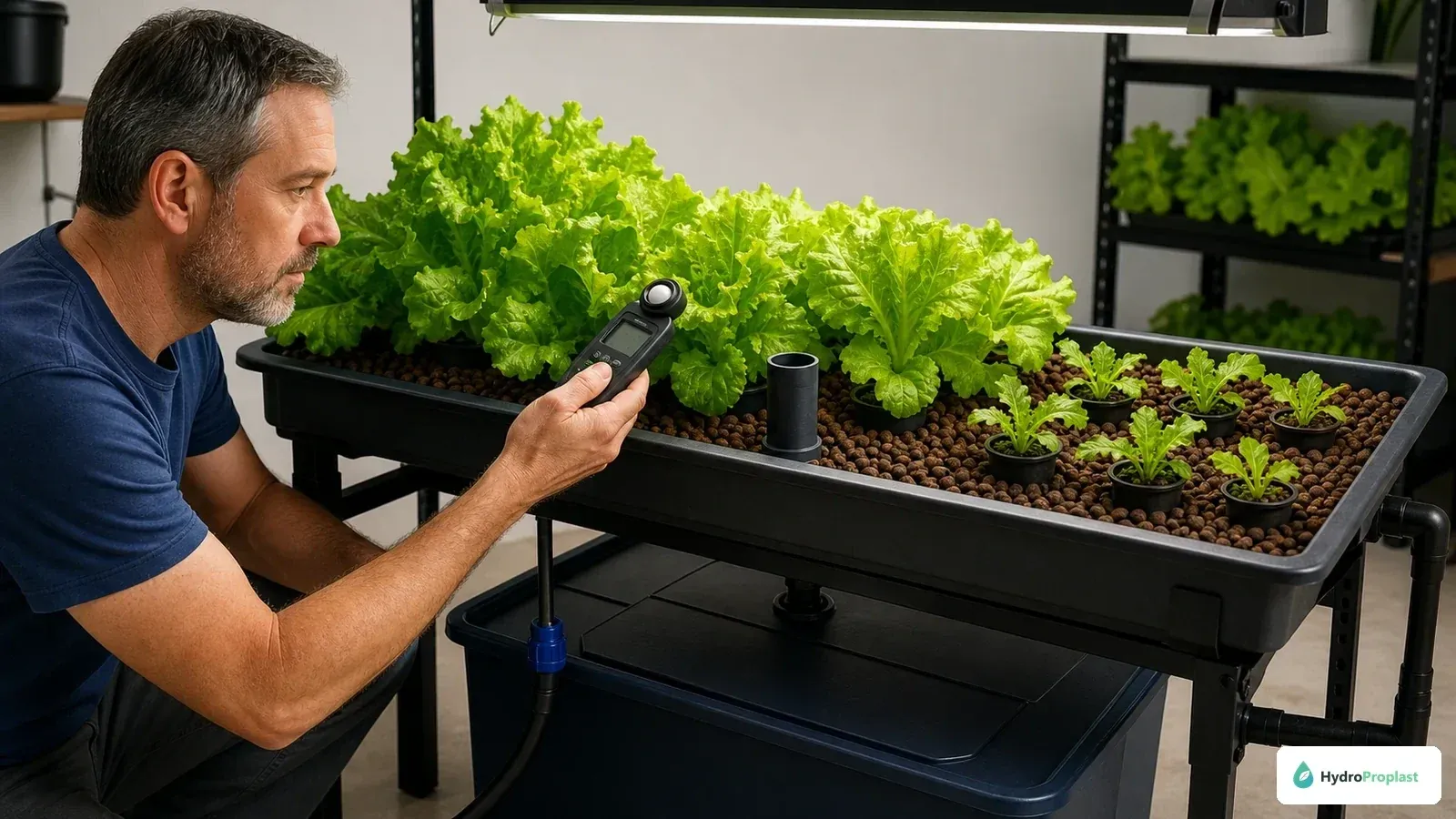
Diagnose slow hydroponic growth by defining the comparison, mapping positions, checking roots, light, climate, delivery, pH, EC, mixing, pests, and crop stage.
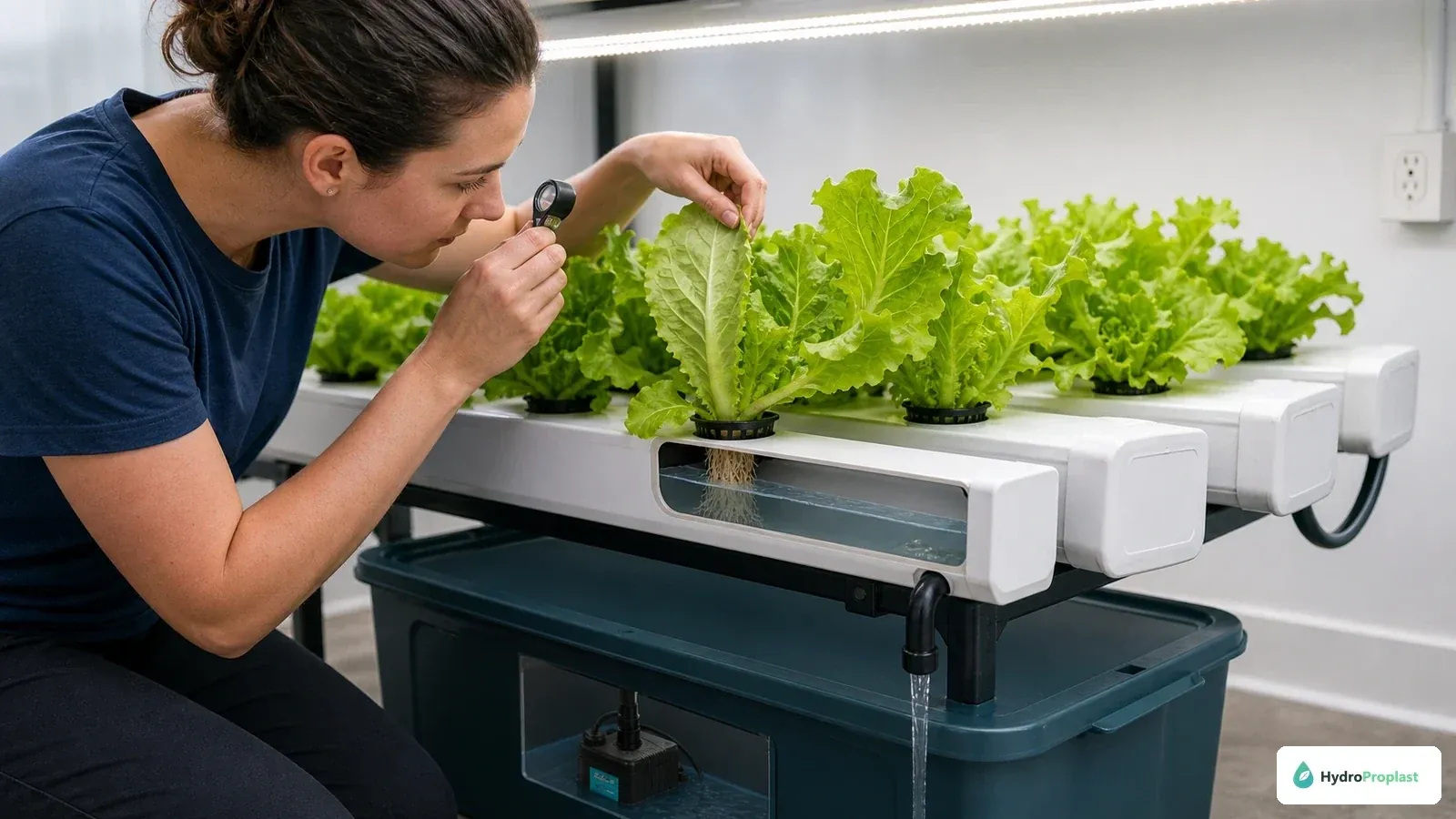
Identify and manage aphids, fungus gnats, and spider mites with monitoring, sanitation, habitat correction, biological controls, and label-compliant IPM.
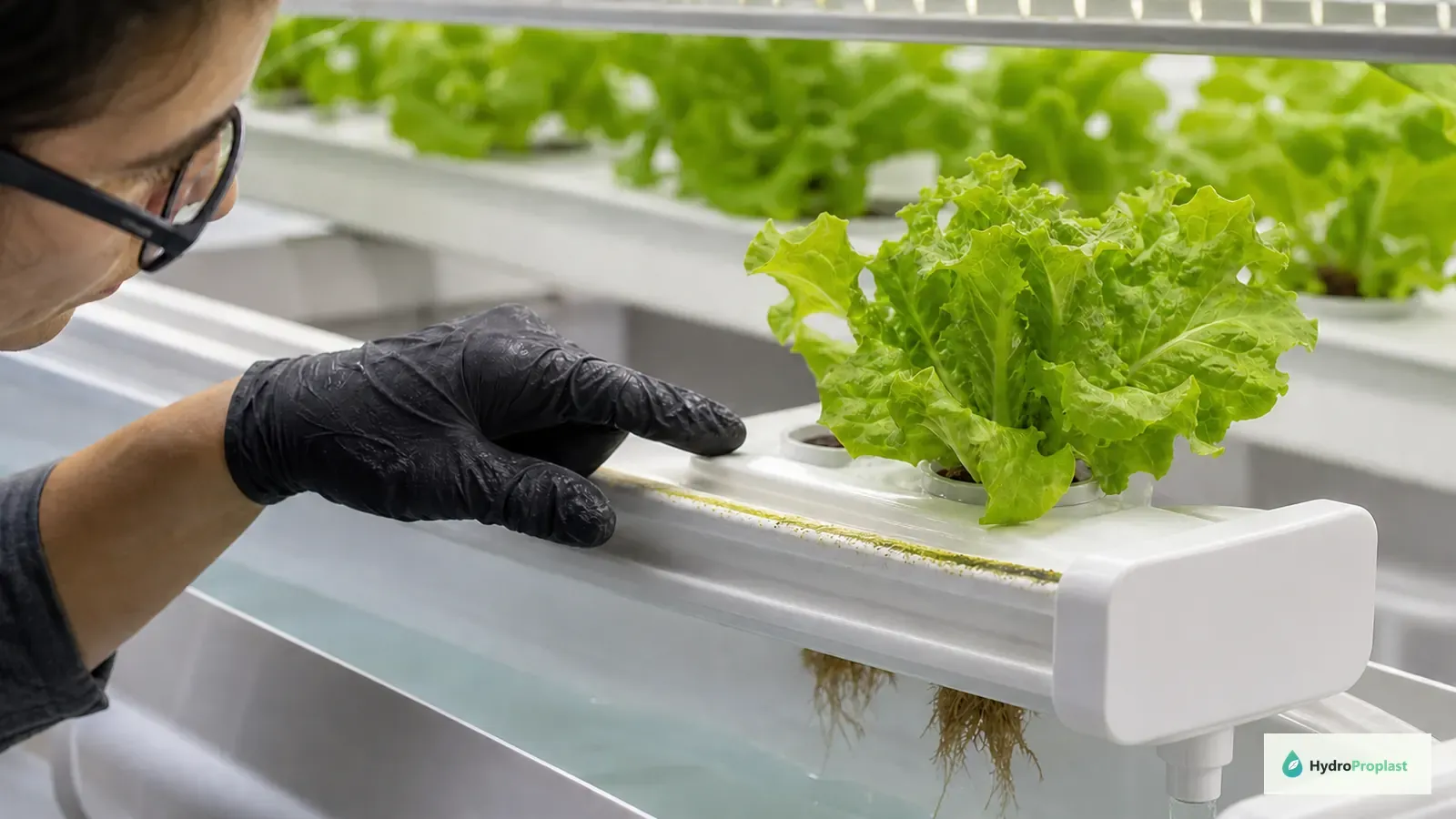
That green or brown slime in your reservoir is algae. Learn what causes it, why it harms your plants, and the simple steps that prevent it for good.
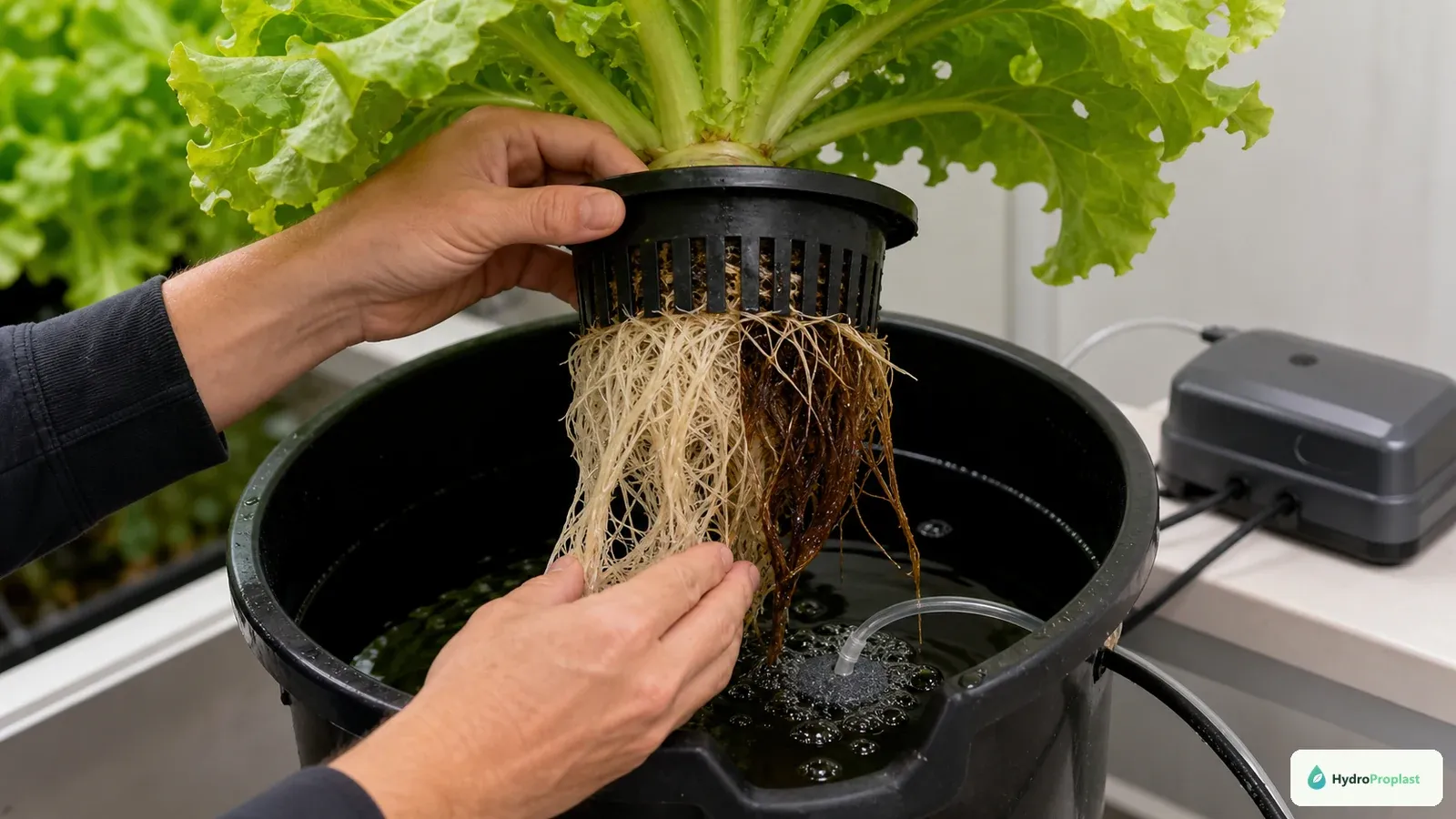
Spot the early signs of hydroponic root rot, distinguish stained roots from true decay, and protect your reservoir with dissolved oxygen, cool water, and clean equipment.
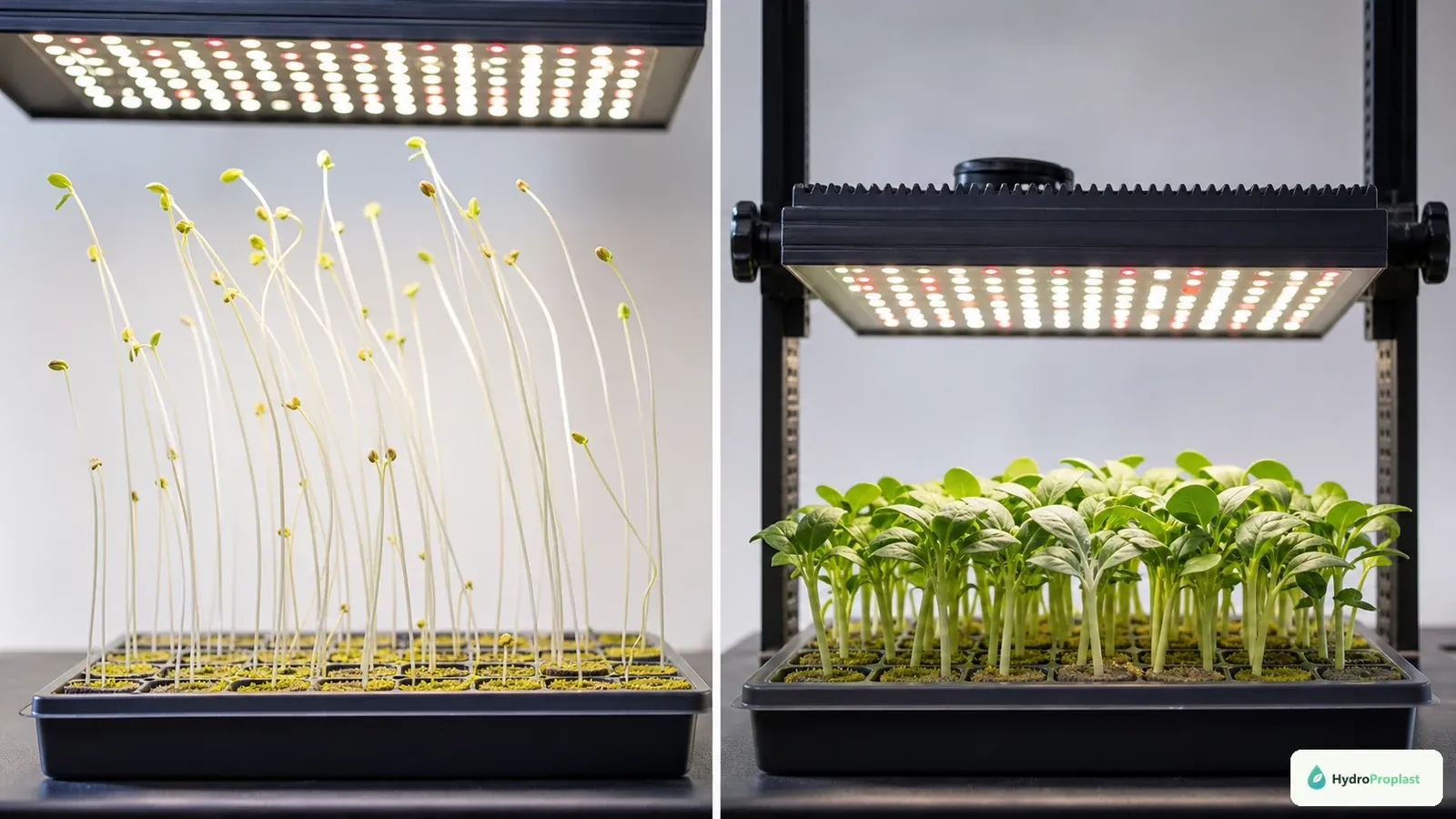
Find out why hydroponic seedlings stretch into thin, weak stems and how to fix light distance, DLI, temperature, and plug height before or during transplant.
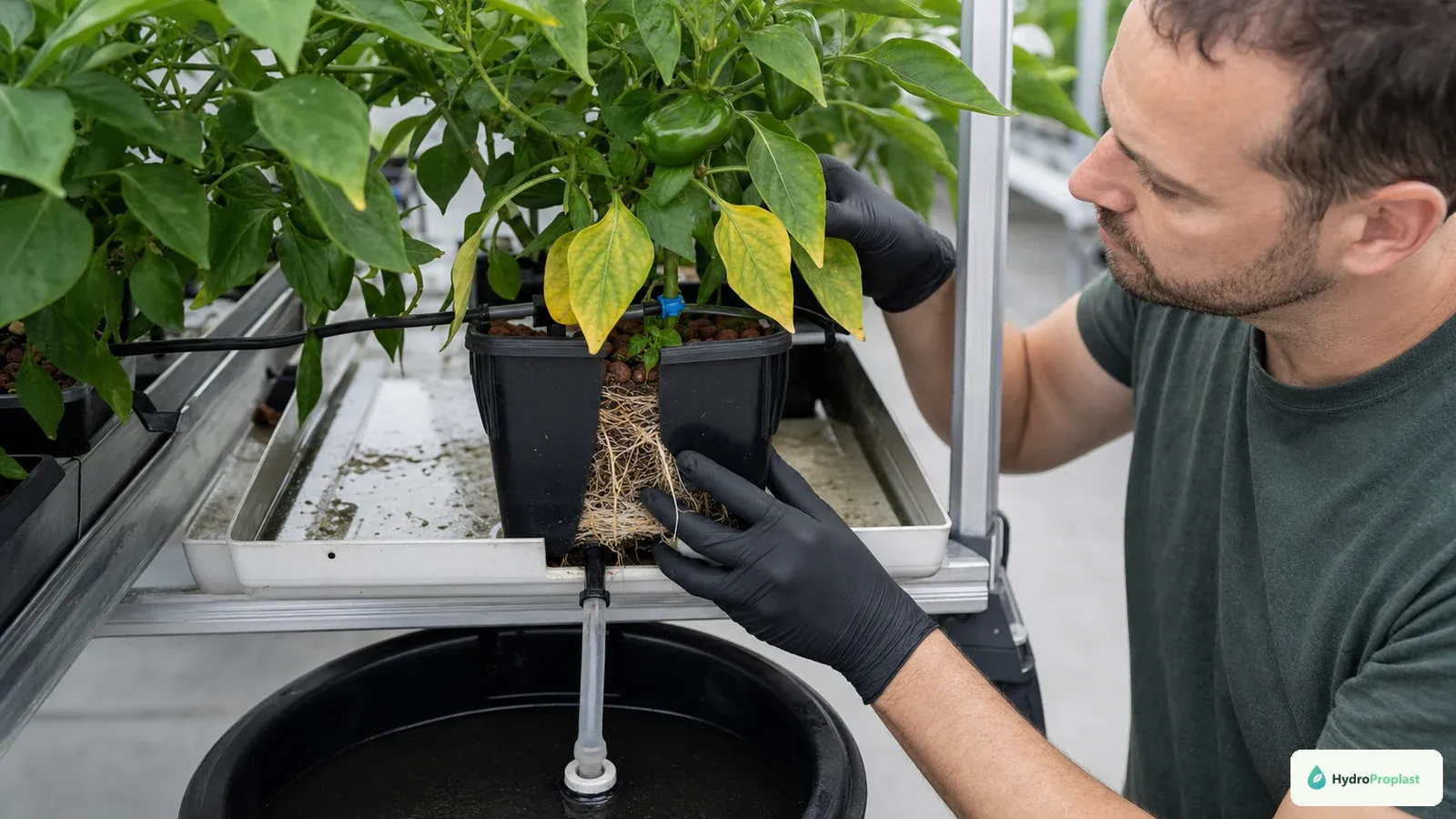
Diagnose yellow leaves in hydroponics step by step by checking leaf position, root health, pH, EC, lighting, water temperature, and true nutrient deficiencies.